Source Adult Winter Dupatta for Eid, Wedding, and Daily Wear
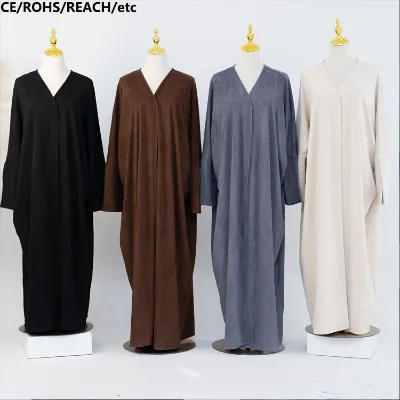
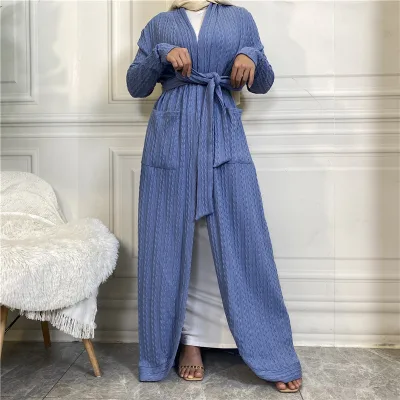
Compare 30 listings for Adult Winter Dupatta from Guangdong suppliers. Options include polyester abayas with V-neck designs suitable for prayer, parties, and daily use, featuring long sleeves and loose fits.
Key considerations
Products List
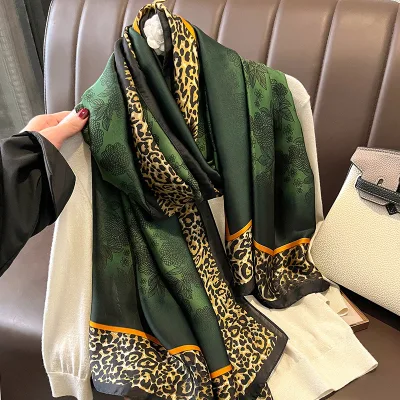
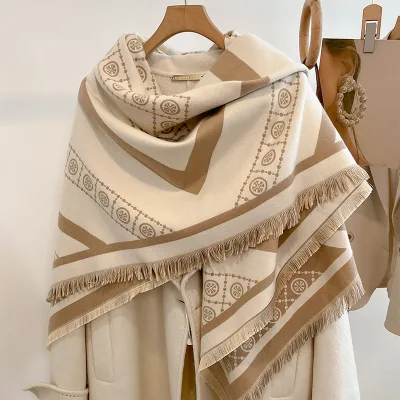
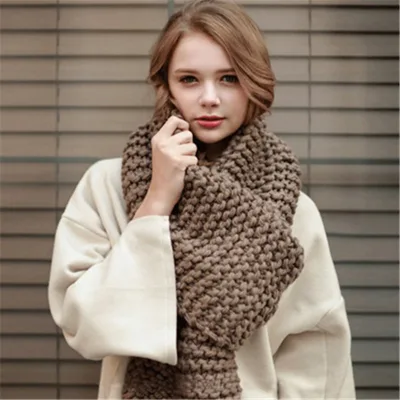
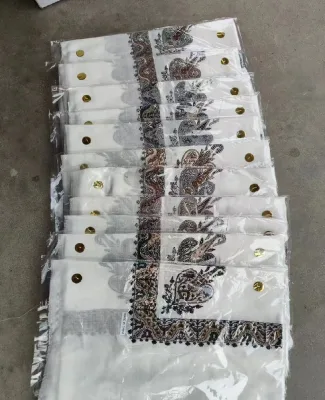



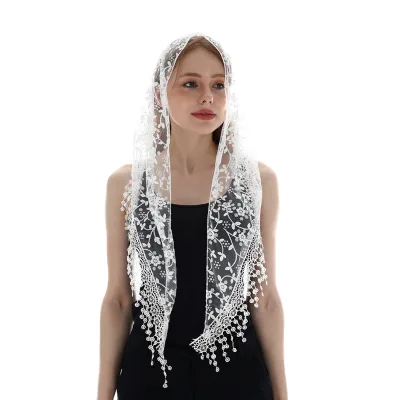
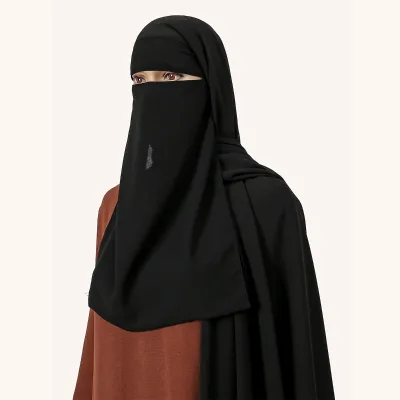
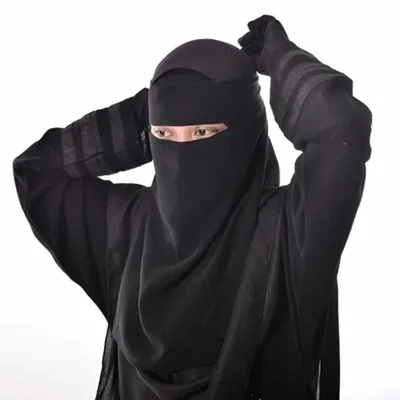
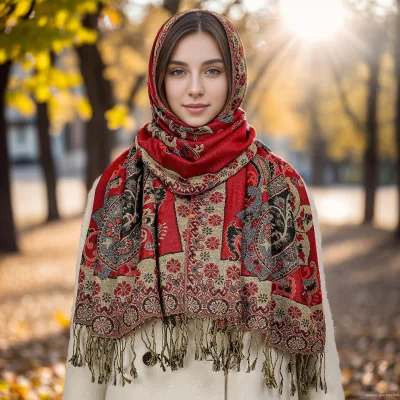


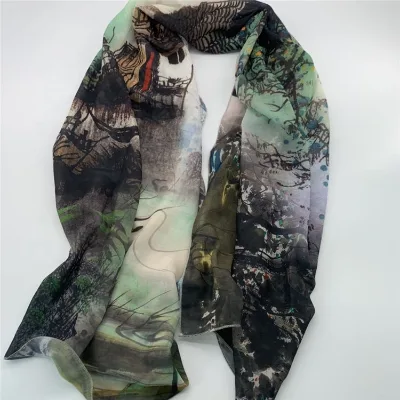
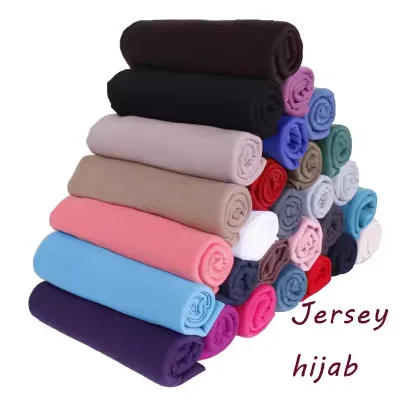
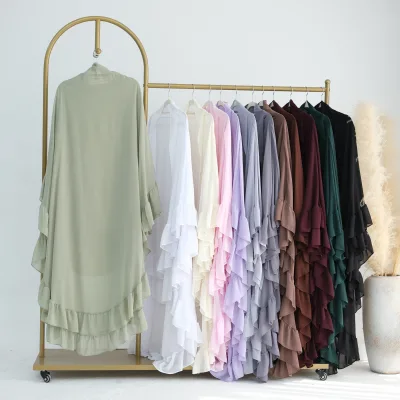


Comprehensive Sourcing Guide
Strategic Sourcing Guide for Adult Winter Dupatta Procurement
Understanding Product Specifications and Material Composition
When sourcing an Adult Winter Dupatta, the primary focus must be on the specific technical attributes that define the garment's utility and comfort in colder climates. Based on the observed market data, the core material composition for these items is predominantly polyester. This synthetic fiber is selected for its durability and specific performance characteristics, including anti-pilling, anti-shrink, and anti-wrinkle properties. These features are critical for winter wear, as they ensure the garment maintains its shape and appearance despite frequent use and varying weather conditions. The fabric is often described as breathable, which is a necessary balance for winter clothing to prevent overheating while providing insulation.
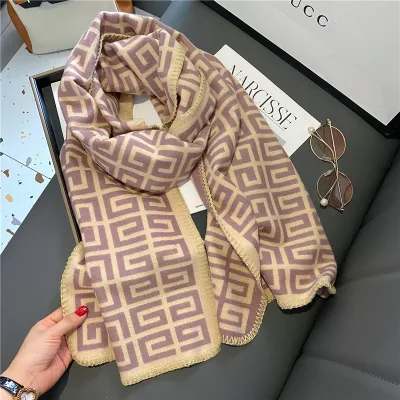
The construction of the dupatta is frequently noted as "handmade," indicating a level of artisanal craftsmanship that adds value to the product. This manual production method often results in unique textural variations, such as the observed "twist pattern," which distinguishes the item from mass-produced, machine-woven alternatives. The design specifications typically include a long sleeve style, although it is important to note that while the data mentions "long sleeve" in the context of abayas, the dupatta itself is an accessory often paired with such garments. The hem shape is generally flared, contributing to a flowing silhouette that is aesthetically pleasing and functional for movement.
Size availability is a crucial logistical factor for buyers. The market data indicates a standard sizing range that includes Small (S), Medium (M), Large (L), Extra Large (XL), and Extra Extra Large (XXL). This range supports an "apparel fit type" described as loose, which is the traditional and preferred fit for this category of clothing. The garment length is typically ankle-length when worn as part of a full ensemble, ensuring full coverage suitable for modesty standards and winter weather. The single package dimensions observed in the supply chain vary slightly between 30x30x4 cm and 40x30x3 cm, with a single gross weight of approximately 1.0 kg. These physical constraints are vital for calculating shipping costs and warehouse storage requirements.
Compliance, Certification, and Safety Standards
In the B2B procurement of textile products, particularly those intended for export to international markets, verifying compliance with safety and environmental standards is non-negotiable. The observed product listings consistently reference certifications such as CE, ROHS, and REACH. These designations indicate that the manufacturer adheres to specific European Union directives regarding chemical safety, hazardous substances, and environmental protection. For a buyer, this means the polyester fabric and any dyes used in the production process have been tested to ensure they do not contain banned substances that could pose health risks to the end consumer.
Beyond chemical certifications, physical safety measures are also evident in the supply chain. The data explicitly mentions "needle detection: Yes" as a standard feature. This implies that the manufacturing facility utilizes metal detection systems to identify and remove any stray metal fragments, such as broken needles, from the finished product. This is a critical quality control step, especially for garments intended for general public use, to prevent injury.
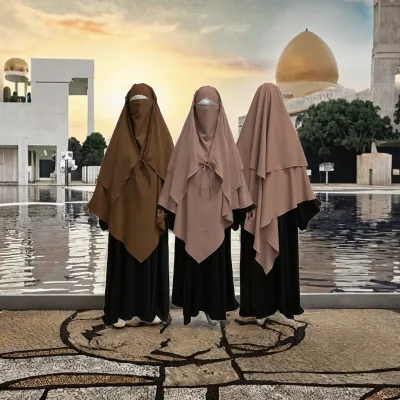
Buyers must verify that these certifications are current and applicable to the specific batch of goods being ordered. While the listings state these certifications are present, a prudent procurement strategy involves requesting valid certificates of analysis or compliance from the supplier before finalizing the order. The products are also noted to be suitable for specific cultural and religious occasions, such as Eid, Ramadan, and daily prayer, which often implies adherence to modesty standards and specific fabric requirements that may vary by region. The "Ethnic Region" is identified as the Middle East, and the target markets include the Arab Region, America, and Europe, suggesting that the product design and compliance measures are tailored to meet the diverse regulatory environments of these export destinations.
Cost Drivers and Pricing Dynamics
The pricing structure for adult winter dupattas is influenced by several variable factors, including material quality, production complexity, and order volume. The observed price range in the market spans from $0.95 to $67.00 USD. This wide disparity is not arbitrary; it reflects differences in the grade of polyester used, the intricacy of the handmade techniques, the presence of digital printing, and the brand positioning. Lower-priced items likely represent standard polyester blends with minimal embellishment, while higher-priced items may feature premium fabric treatments, complex twist patterns, or custom digital prints.
The Minimum Order Quantity (MOQ) is another significant cost driver. The data indicates an MOQ range of 2 to 300 pieces, with a specific high-confidence observation of 2 pieces as a baseline. This low entry barrier allows small businesses and startups to test the market with minimal capital investment. However, as the order volume increases, the unit cost typically decreases due to economies of scale in material purchasing and production efficiency. Buyers should be aware that while the MOQ is low, the "Available Quantity" for specific models may be limited (e.g., 1000 units), which could impact long-term supply stability if demand surges unexpectedly.
Additional cost factors include the shipping method and lead times. The available shipping options include major carriers like FedEx, DHL, UPS, TNT, and Aramex, with transit times estimated at 10-15 days. The choice of shipping carrier and the urgency of the delivery will directly impact the landed cost of the goods. Furthermore, the acceptance of OEM (Original Equipment Manufacturer) and ODM (Original Design Manufacturer) services allows for customization, which often incurs additional tooling or setup fees. The payment terms, which include Trade Assurance, PayPal, Western Union, and T.T. Bank Payment, also influence the financial risk and cash flow management for the buyer.
Typical Applications and Market Segmentation
The Adult Winter Dupatta serves a versatile role in the fashion and cultural sectors, catering to a wide array of occasions. The product attributes highlight applications ranging from daily wear to formal events. Specific occasions listed include parties, weddings, beach outings, and religious observances such as Eid and Ramadan. This broad applicability suggests that the product is designed to be a staple in a wardrobe, transitioning seamlessly from casual daily use to more formal or ceremonial settings.
The target demographic is clearly defined as adult women, with a specific focus on the Middle Eastern ethnic region. However, the market reach extends globally to the Arab Region, America, and Europe. This global appeal is driven by the growing demand for modest fashion and cultural attire in Western markets. The "Style" is categorized as casual, yet the "Occasion" data includes high-formality events like weddings and prayer gatherings. This duality indicates that the product's design is adaptable; the same garment can be styled differently depending on the event, perhaps through the addition of accessories or layering.
The seasonal relevance is also a key factor. The product is explicitly listed for Winter, Autumn, and Spring, making it a year-round essential in many climates, with a specific emphasis on colder months. The "Feature" list, which includes "Plus Size," further broadens the market segmentation, ensuring inclusivity for a wider range of body types. The digital print method allows for a variety of color options, including apricot, dark coffee, dark gray, and black, which can be tailored to match specific seasonal trends or cultural color preferences.
Supplier Evaluation and Operational Capabilities
Selecting the right supplier requires a thorough evaluation of their operational capabilities and reliability. The supply type is identified as "In-Stock Items," which suggests that the supplier maintains a ready inventory, reducing lead times for immediate orders. This is a significant advantage for buyers who need to replenish stock quickly or fulfill urgent orders. The "Place of Origin" is consistently listed as Guangdong, China, a region known for its robust textile manufacturing infrastructure.
Buyers should verify the supplier's capacity to handle customization requests. The data confirms that OEM and ODM services are accepted, meaning the supplier can produce items with custom branding, designs, or specifications. This flexibility is essential for brands looking to differentiate their product lines. Additionally, the supplier supports sample orders with a lead time of 7 days, allowing buyers to assess product quality before committing to larger volumes.
The payment terms offered, including Trade Assurance, provide a layer of security for the buyer. Trade Assurance typically protects the order from production delays or quality issues, ensuring that funds are only released once the buyer is satisfied. The variety of payment methods, such as PayPal and Western Union, offers convenience for different buyer preferences, though bank transfers (T.T.) are standard for larger B2B transactions.
Quality Control and Long-Term Procurement Considerations
Maintaining consistent quality is paramount in long-term procurement relationships. The observed product attributes highlight several quality features, such as "High Quality" designation, anti-pilling, anti-shrink, and anti-wrinkle properties. These features are not merely marketing claims but technical specifications that buyers should verify through sample testing. The "Needle detection: Yes" feature is a critical quality control checkpoint that should be confirmed in the supplier's production process documentation.
For long-term procurement, buyers must consider the supply chain stability. The "Available Quantity" of 1000 units for specific models indicates that while stock is available, it may not be infinite. Buyers should establish a relationship with the supplier to ensure priority access to inventory during peak seasons, such as Ramadan or winter holidays. The "Single package size" and "Single gross weight" data are essential for logistics planning. Consistent packaging dimensions (e.g., 30x30x4 cm) facilitate efficient container loading and reduce the risk of damage during transit.
Furthermore, the "Season" and "Occasion" data suggest that demand will fluctuate. Buyers should plan their inventory levels to align with these seasonal peaks. The ability to customize the fabric (Polyester or customized) and the print method (Digital Print) offers opportunities for product differentiation. However, customization introduces complexity to the supply chain, requiring clear communication of specifications and potentially longer lead times.
Final Procurement Strategy and Risk Mitigation
To conclude, sourcing an Adult Winter Dupatta requires a balanced approach that considers technical specifications, compliance, cost, and supplier reliability. The market offers a diverse range of products, from basic polyester dupattas to high-end, handmade, digitally printed versions. Buyers should leverage the low MOQs to test the market while building relationships with suppliers who offer Trade Assurance and robust quality control measures like needle detection.
The wide price range necessitates a clear definition of quality expectations before engaging with suppliers. Buyers should request samples to verify the "twist pattern," fabric breathability, and the effectiveness of the anti-pilling and anti-shrink treatments. Compliance with CE, ROHS, and REACH standards should be confirmed through documentation, ensuring the product meets the regulatory requirements of the target market.
Finally, the global reach of these products, from the Middle East to Europe and America, highlights the importance of cultural sensitivity in design and marketing. By focusing on the specific needs of the adult female demographic and the unique requirements of winter wear, buyers can build a successful and sustainable supply chain. The combination of in-stock availability, flexible payment terms, and customization options makes this category a viable opportunity for B2B procurement, provided that due diligence is maintained throughout the sourcing process.
FAQs
What certifications do adult winter dupattas have?
These products hold CE, ROHS, and REACH certifications for chemical safety and environmental protection. The manufacturing process also includes needle detection to ensure no metal fragments remain in the finished garments before shipping to international buyers.
Can I order samples with a short lead time?
Yes, the supplier supports sample orders with a lead time of just 7 days. This allows buyers to verify the high-quality polyester fabric and handmade twist patterns before committing to larger bulk orders for the winter season.
Which payment terms are accepted for bulk orders?
Buyers can use Trade Assurance, PayPal, Western Union, or T.T. Bank Payment for transactions. These secure methods protect both parties while facilitating the purchase of in-stock items ranging from 2 to 300 pieces minimum order quantity.
What are the available size options for this garment?
Sizes range from Small to Extra Extra Large to accommodate a loose apparel fit type. The ankle-length design ensures full coverage suitable for daily wear, prayer, and formal occasions like weddings or Eid celebrations in various climates.
How is the fabric constructed and what are its features?
The fabric is 100% polyester with handmade construction featuring a twist pattern and flared hem. It offers anti-pilling, anti-shrink, and anti-wrinkle properties while remaining breathable, making it ideal for winter, autumn, and spring seasons.
Where are these adult winter dupattas manufactured?
The products originate from Guangdong, China, a region known for robust textile manufacturing capabilities. They are designed for the Middle East ethnic region but are exported to markets in the Arab Region, America, and Europe.
What customization options like OEM or ODM are available?
The supplier accepts both OEM and ODM requests for custom branding and designs. Buyers can specify digital print methods and fabric types, allowing for tailored solutions that meet specific market demands and style preferences.